

The Role of ADA Compliant Toilets at Festivals and Public Gatherings!
Access to clean, functional restrooms is a crucial aspect of any event, particularly festivals and public gatherings where large crowds converge. Among the various restroom options available, ADA compliant toilets play a vital role in ensuring inclusivity for individuals with disabilities. Their presence not only fulfills legal requirements but also enriches the experience of all attendees. In this article, we will explore the importance of ADA compliant toilets, the specific features that make them accessible, and how they contribute to a successful event atmosphere.
Understanding ADA Compliance
The Americans with Disabilities Act (ADA) was enacted to eliminate discrimination against individuals with disabilities. This legislation brought about significant changes in how public facilities are designed and operated. For events hosting large groups, compliance with ADA standards means providing accessible restrooms that cater to the needs of individuals with mobility challenges or other disabilities.
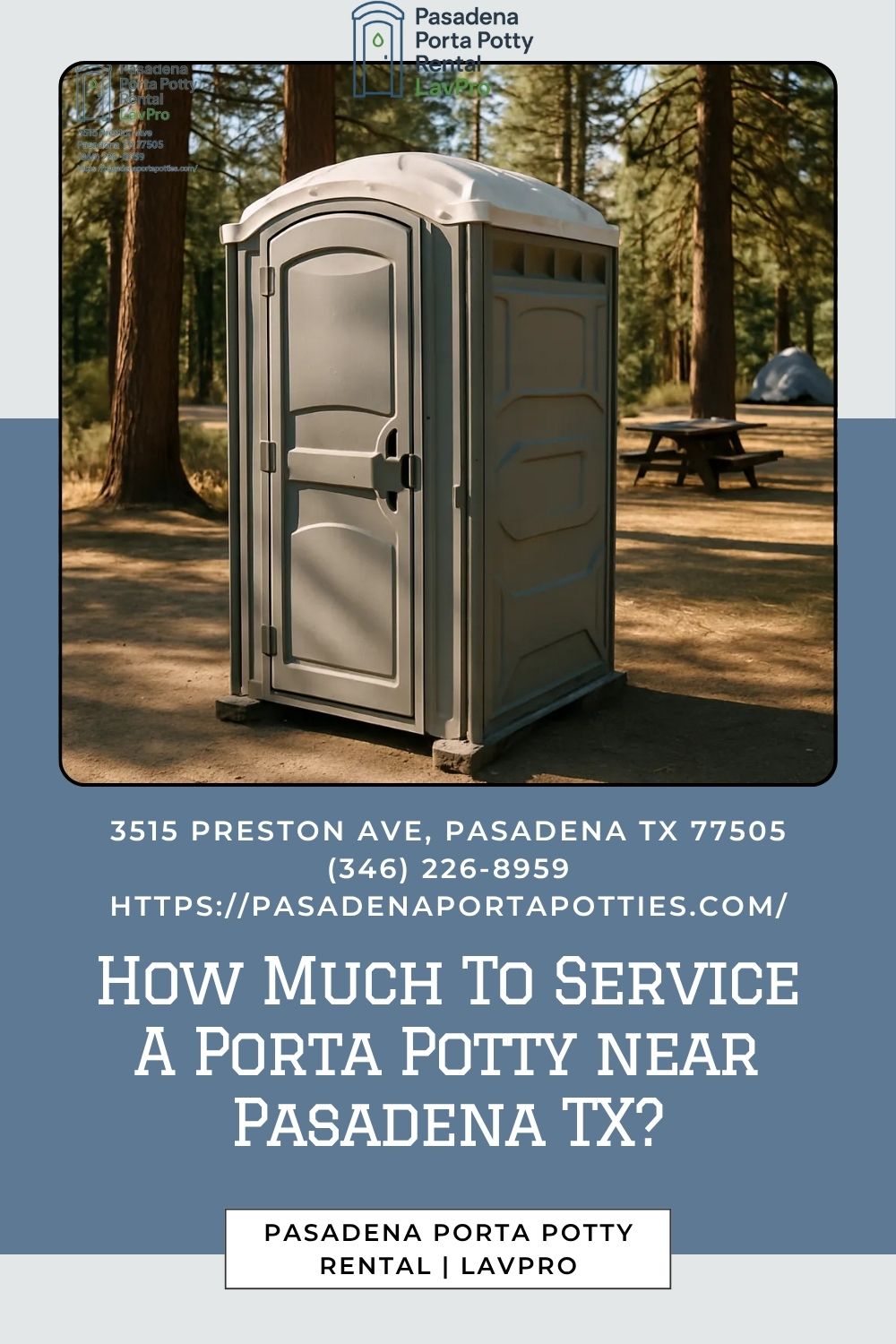
ADA compliant toilets must meet specific guidelines set forth by the ADA Accessibility Guidelines (ADAAG). These guidelines dictate dimensions, accessibility features, and additional accommodations that ensure these facilities are usable by everyone. For instance, an ADA compliant toilet stall should have enough space for a wheelchair to maneuver comfortably while also including grab bars for support.
The Importance of Accessibility at Events
When planning a festival or public gathering, ensuring accessibility goes beyond mere compliance; it fosters an inclusive environment where everyone feels welcome. Accessible restrooms are essential not just for those who use them but also signal to all attendees that their needs are being considered.
Imagine a scenario where an attendee with mobility challenges arrives at a festival only to find inadequate restroom facilities. This experience can diminish their enjoyment and discourage future attendance. On the other hand, well-placed ADA compliant toilets can create a positive impression and encourage diverse participation in events.
Enhancing Attendee Experience
Beyond legal obligations, providing ADA compliant toilets enhances attendee satisfaction. When people feel comfortable and catered to at an event, they are more likely to engage fully in activities and return for future events. Additionally, word of mouth regarding accessibility can spread quickly within communities; satisfied attendees often share their positive experiences with friends and family.

For example, consider a local music festival that prioritizes accessibility by installing several ADA compliant toilets throughout the venue. As attendees share their experiences on social media or through personal conversations, they highlight how easy it was for everyone to enjoy the festivities without worrying about restroom access.
Key Features of ADA Compliant Toilets
Understanding what makes a toilet ADA compliant can shed light on why these features are so important for public gatherings:
Space Requirements: A standard ADA compliant toilet stall must be at least 60 inches wide to accommodate wheelchair users comfortably. This space allows for easy entry and exit while ensuring privacy.
Grab Bars: Installed beside the toilet and along walls within reach, grab bars provide necessary support for those who may need assistance standing up or sitting down.
Accessible Washbasins: Sinks should be at an appropriate height for wheelchair users and equipped with lever-style faucets which can be operated easily without needing fine motor skills.
Clear Signage: Clear markers indicating which restrooms are accessible help attendees navigate large venues efficiently — especially beneficial during busy festivals when time is of the essence.
Maintenance Considerations: Regular checks by event staff ensure that these facilities remain clean and functional throughout the duration of the event.
These features collectively create an environment where people can focus on enjoying themselves rather than navigating barriers related to accessibility.
Pasadena Porta Potty Rental | LavProAddress: 3515 Preston Ave, Pasadena TX 77505
Phone: (346) 226-8959
Website: https://pasadenaportapotties.com/
FAQ about Porta Potty Rental
How much does it cost to rent a porta potty in Pasadena?
The cost to rent a porta potty in Pasadena typically ranges from $100 to $200, depending on the type of unit and rental duration. Standard units are the most affordable, while deluxe and luxury models cost more due to added features like flushing systems, sinks, or climate control. Delivery, setup, and servicing are usually included in the price, but additional charges may apply for special requests, longer rentals, or remote locations.
How much is a porta potty rental per week near Pasadena?
Weekly porta potty rentals near Pasadena generally range from $125 to $250 for standard units. This rate often includes one weekly servicing, which covers waste removal, cleaning, and restocking supplies. ADA-compliant, deluxe, or luxury units can cost more depending on size and amenities. Construction sites, events, and long-term projects may qualify for discounted rates when multiple units are rented or extended rental periods are arranged.
How much to rent a porta potty for a day in Pasadena?
Daily porta potty rentals in Pasadena typically cost between $75 and $150 for standard units. This price includes delivery, setup, and pickup, making it ideal for one-day events such as parties, festivals, or small gatherings. Deluxe or luxury models may range from $150 to $300 per day, offering added comfort and hygiene features. Prices can vary based on demand, location, and specific rental needs.
Planning for Success: Incorporating ADA Compliant Toilets
When planning an event in Pasadena or elsewhere, integrating ADA compliant toilets into your logistics is essential but may seem daunting initially. Here’s how you can approach it:
-
Consult Experts: Engage with companies specializing in portable restroom solutions that offer options tailored to your needs — including wedding bathroom porta potty rental in Pasadena or luxury porta potty rentals that emphasize comfort alongside compliance.
-
Site Evaluation: Assess potential venue locations early on to identify optimal spots for placing accessible restrooms. High foot traffic areas near stages or food vendors usually work best.
-
Community Outreach: Reach out within local communities to understand specific needs and preferences related to restroom access — feedback from potential attendees can guide your decisions effectively.
-
Education & Training: Ensure staff members are trained about accessible facilities so they can assist patrons if needed while maintaining awareness about keeping these areas clean and stocked throughout the event’s duration.

By focusing on these factors during planning stages, event organizers can set themselves up for success while promoting inclusivity among guests.
Real-Life Examples of Successful Implementation
Many festivals across America have taken proactive measures regarding accessibility by implementing designated areas filled with amenities catering specifically towards those requiring additional support:
Music Festivals: Major music festivals like Coachella provide multiple sets of ADA compliant facilities strategically positioned near main stages as well as quieter areas — allowing patrons flexibility based on their needs.
State Fairs: State fairs often feature comprehensive accessibility programs including designated restrooms clearly marked on maps distributed throughout venues — making navigation seamless even during peak times.
Sporting Events: Large sporting events universally adopt similar strategies as festival organizers; providing ample number of stalls ensures all fans feel welcome regardless of individual circumstances surrounding mobility challenges.
These examples illustrate how prioritizing accessibility leads not just towards fulfilling legal requirements but also creates enjoyable experiences across diverse audiences attending various gatherings throughout different settings nationwide.
Conclusion
The incorporation of ADA compliant toilets into festivals and public gatherings is not merely about adhering to regulations; it reflects a commitment towards fostering an inclusive community where everyone belongs regardless of ability level or background stories attached therein — paving avenues towards shared experiences among participants alike! Investing time into understanding practical applications surrounding these necessities pays dividends far beyond compliance alone; building relationships forged through mutual respect nurtures goodwill within communities fostering future engagement opportunities down roads less traveled before now!
As you prepare your next event in Pasadena or anywhere else across this vibrant landscape filled with cultural celebrations aplenty— consider how implementing such measures could elevate overall enjoyment levels significantly while leaving lasting impressions that ripple through society long after final notes fade away from stages ringing out joyous tunes previously shared amongst all gathered together!